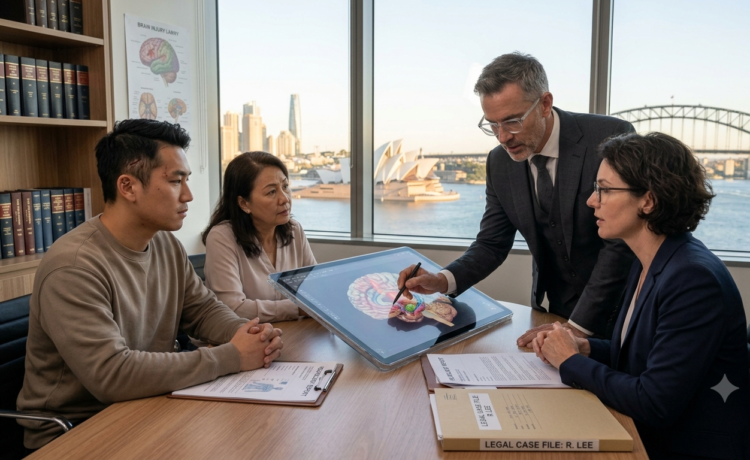
Traumatic brain injuries present a unique set of circumstances in NSW personal injury law. They’re among the most valuable claims that can be made. At the same time, they are frequently undervalued. The impact of a serious brain injury often can’t be detected with a quick glance from a medical assessor who only has a few minutes to make a decision. You might look fine on the outside but be struggling with changes in personality, difficulty thinking clearly, mood swings, and constant fatigue. These are the kinds of problems that don’t show up on a simple medical checklist.
People living with a brain injury often are not okay. That’s where claims can go seriously off track if you don’t get the right legal and medical support from the very beginning. A brain injury lawyer Sydney families trust can help ensure the claim is properly prepared from the outset.
The Two Main Legal Categories of Brain Injury in NSW
In NSW, there’s a clear distinction between traumatic brain injuries, which are caused by physical force, and acquired brain injuries, which include strokes, lack of oxygen, infections, and other conditions that damage brain function over time. These categories matter because they determine which laws apply and how the claim will proceed.
If you’re injured in a motor vehicle accident, your claim falls under the Compulsory Third Party scheme. If you’re injured at work, the claim goes through workers’ compensation. If medical treatment causes brain damage, such as a lack of oxygen during surgery, you’re dealing with a medical negligence claim that has its own legal requirements and time limits. Get the classification wrong early in the process, and you could find yourself pursuing the wrong claim from the start.
Why Standard Injury Assessment Tools Often Miss TBI?
The NSW Compulsory Third Party scheme relies on medical assessors to determine the extent of an injury. These standard assessment tools were never designed to detect many of the subtle cognitive and emotional changes caused by mild to moderate traumatic brain injuries.
A claimant may attend an assessment with no obvious physical injuries, communicate well, and appear calm throughout the examination. That doesn’t mean their brain injury is minor. The assessment may fail to reflect how the injury has affected their work, relationships, decision-making, or ability to manage everyday life.
Without proper neuropsychological testing, including formal cognitive assessments of memory, attention, and processing speed, the assessor only sees what’s visible on the surface. They may miss the problems that have the greatest impact on the person’s daily life.
The Overlap Between TBI Claims and TPD
When a brain injury permanently prevents someone from working, they may have access to both accident compensation and a Total and Permanent Disability (TPD) benefit through their superannuation. These two entitlements are not mutually exclusive. They’re also not automatically identified during the claims process.
Someone focused on pursuing accident compensation may never realise they also have a valid TPD claim. Running both claims at the same time is common practice in serious brain injury matters. If you don’t discover your TPD entitlement until after your accident claim has been resolved, you may lose opportunities depending on the rules of your superannuation fund.
What Evidence Shapes a TBI Claim’s Value?
A neuropsychological assessment forms the foundation of most brain injury claims involving cognitive or psychological impairment. MRI and CT scans can identify physical changes within the brain. Reports from neurologists, neuropsychiatrists, rehabilitation specialists, and other treating doctors help explain how those injuries affect everyday functioning.
Occupational therapists provide another important piece of evidence. They assess how the injury affects the person’s ability to work, live independently, and carry out normal daily activities. In disputed claims, family members can also provide powerful evidence. They are often in the best position to describe the changes in personality, behaviour, and cognitive ability before and after the injury.

Lifetime Care Costs and How They Are Calculated
When someone suffers a severe traumatic brain injury, future care costs often become the largest part of the compensation claim. These costs may include decades of personal care, home modifications, specialised equipment, ongoing rehabilitation, medical treatment, future surgery, and lost superannuation contributions.
Calculating those future expenses requires detailed financial modelling. Actuaries estimate the lifetime cost of care using medical evidence that explains the person’s long-term prognosis and future support needs. In the most serious traumatic brain injury cases, future care costs can account for the largest portion of the total compensation. It’s also one of the areas where inexperienced lawyers are most likely to underestimate the value of a claim or fail to obtain the specialist evidence needed to support it.