
Grease cleaners are specially formulated products designed to break down and remove oil-based residues from a variety of surfaces. They’re often employed in kitchens, workshops, and industrial settings where grease accumulation can be a common occurrence. Cleaners are essential to keeping surfaces and equipment clean, hygienic and in good condition for the long-term. There are various formulations to choose from, so grease cleaners can be used for light clean-up or deeper cleaning.
How Grease Cleaners Work
Grease cleaners help to break down and remove hard grease and fat build-up that water is not able to clear up. Usually are filled with active ingredients which break down grease molecules and allow them to be cleaned with a wipe or washed off. This is done to clean surfaces without leaving behind any residue.
There are some water-based grease cleaners and others that might be formulated with a stronger chemical. To be effective, it is important that the cleaner be made of the right materials, that the surface being cleaned has a sufficient amount of grease to be removed and that the type of surface being cleaned is appropriate. If applied correctly, the cleaner will work efficiently.
Types of Grease Cleaners and Their Uses
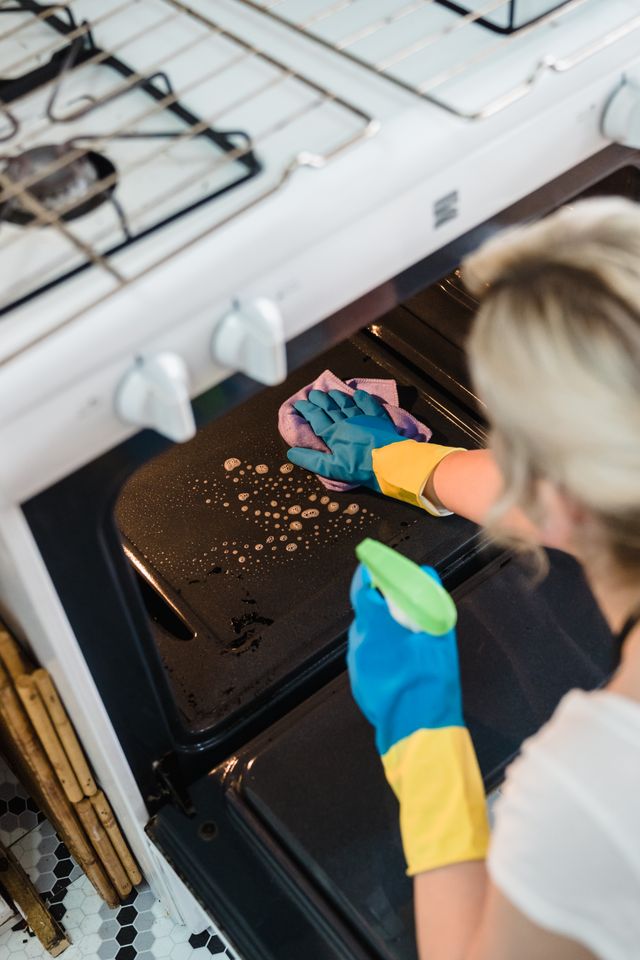
There are a variety of grease cleaners Nambucca Heads on the market that are designed to fit different applications. Household cleaners are generally made for normal household kitchen tasks and can be applied to counter tops, stovetops and appliances. Industrial cleaners are designed for more demanding use, like workshop tools, machinery and commercial kitchens.
There are also specialised cleaners for specific surfaces such as metal, glass or tiled floors. By selecting the right type of cleaner, you can make sure that grease is effectively removed from the surface while not causing any damage. Reading the labels and instructions on how to use the product is crucial for getting the best out of it.
Safe Usage and Maintenance Benefits
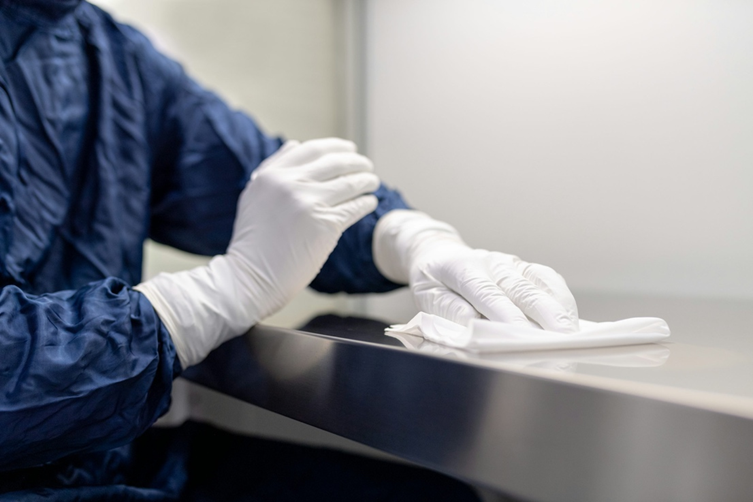
To use grease cleaners effectively and safely, follow the instructions on the label. When used following recommended dosage and application procedures, there is little risk of damaging the surface and ensuring optimum cleaning. Using protective equipment like gloves may be necessary to handle stronger formulations in some cases.
By using grease cleaners regularly, it helps to keep the area clean and hygienic, as it prevents the accumulation of grease over time. This helps to prevent damage to surfaces or equipment from grease buildup and extends the lifespan of surfaces and equipment. Regular cleaning practices help to maintain efficiency, safety, and cleanliness.