Australians typically chuck out their outdoor furniture every three to five years; it’s not that we want to, it’s just that the last lot of chairs etc just fell apart on us. The cushions disintegrate. The frames rust. The wicker cracks and starts snagging on our clothes. Then, of course, we go out and buy the same old thing again and it’ll probably have the same lifespan. What’s going on is that we make our buying decisions based on how pretty the furniture looks at first, but it’s actually the boring details that really matter. These details are buried in the product specs which most sellers barely even mention.
The Difference Between Natural and Synthetic Wicker And Why It Matters
When people talk about wicker furniture they’re usually not talking about the actual material used, but the method of weaving. It’s a traditional technique that’s been around for ages. But, if you’re expecting a natural material like rattan or cane to last outdoors in Australia, forget about it. The sun and rain pretty much destroy it in a year or two, especially if it’s exposed to the elements.
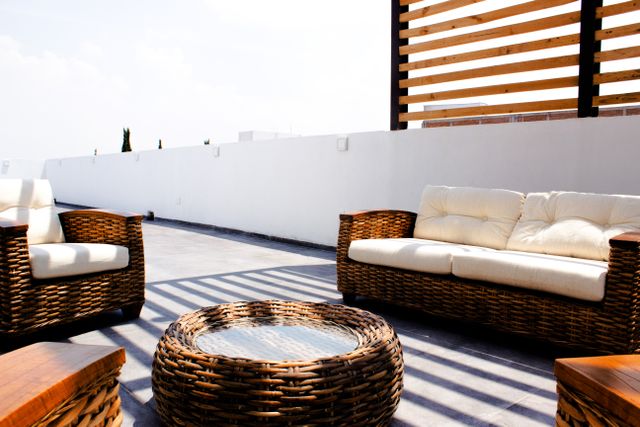
These days nearly every bit of Outdoor Wicker Furniture Australia sold is actually made using synthetic resins, with metal frames underneath. The real question is whether the resin in the weave has UV stabilisers mixed right through it, or if it just has a superficial coating. If it’s got stabilisers, it can handle the Australian sun for years. But if it’s just got a UV treatment on the surface, you can bet it’s going to start breaking down in a few months.
If you go and ask a seller which one it is, the answer they give you will tell you an awful lot about the quality of the furniture.
Just How Tough Is the Australian Climate on Our Outdoor Furniture?
You might be surprised at how hard it is to keep outdoor furniture in Australia looking its best. We get extreme UV levels from October to March and that’s not just the sun beating down on the seat; it’s getting into every nook and cranny of the thing: the wicker, the metal frame, the cushions and even the stuff that holds it all together. Now, just because something is marked as suitable for ‘outdoor use’ doesn’t necessarily mean it’s been tested to withstand the sort of conditions we get down under.
But that’s not all; if you live near the coast you’ve also got to worry about the salt in the air. This can accelerate rust on steel frames, and that’s something you need to take into account if you live in a place that’s more than a few kilometres from the sea. So, that decision between getting a steel or aluminium frame might not be so much about the weight of the thing as it is about how it will hold up in your local climate.
Why Aluminium Outperforms Steel in the Majority of Australian Environments?
Powder-coated steel is lighter but also cheaper. The lightness is usually taken as an indication of quality, but outside it is a disadvantage. Steel frames develop surface rust at cut and contact points with fasteners, and once rust gains entry into the powder coating, it propagates itself laterally under the coating until damage is severe enough to become visible.
An oxide film develops naturally on aluminium frames, protecting the metal underneath without any need for coating. Powder coating of aluminium provides an extra aesthetic coating layer while preserving inherent properties of the material. The frame is also around 40% lighter than a steel frame of similar gauge, which makes a considerable difference in furniture pieces that are moved around and relocated under shelters seasonally or placed on raised decks.
Cushion Fabric – The First Element to Fail
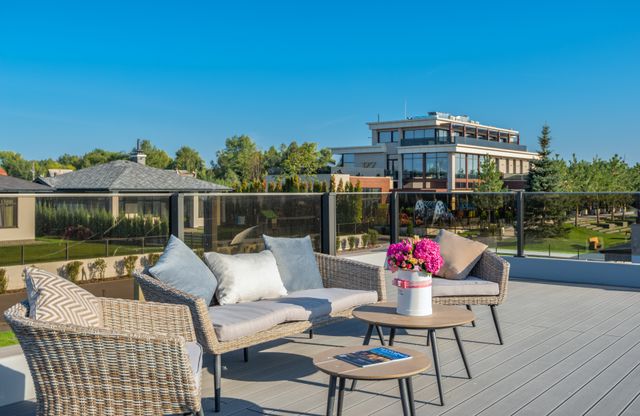
There are more furniture replacements made on account of cushion wear than those for frame failures in Australia. Polyester-filled cushions covered with printed fabric fade in colour and start developing mould in two to three seasons of high humidity and heat.
Fabric of solution-dyed acrylic fibre used in commercial outdoor furniture and marine upholstery retains the colour after prolonged exposure to UV radiation since dye is mixed with fibre, not applied onto it. The difference in durability of solution-dyed acrylic and polyester printed fabric is significant; not just in terms of months, but of years.
Removable and washable covers add to the longevity of cushions by preventing the gradual development of mould that forces furniture replacement no matter the weave or frame condition.
There is nothing complex about outdoor wicker furniture in Australia if you ask the right questions. Buyers avoiding repeated replacement cycles do not have to spend substantially more money. They are simply investing their funds in different qualities of furniture.